
You typed a word, then stopped. Is it “caliber” or “calibre”? Both look right, and honestly, both are right. The catch is knowing which one fits your reader.This isn’t some rare grammar trap you’ll only hit once.
Writers, students, and business folks run into this spelling difference all the time, especially when writing for a mixed audience online. So let’s clear it up for good, no jargon, just plain answers.
Caliber or Calibre – Quick Answer
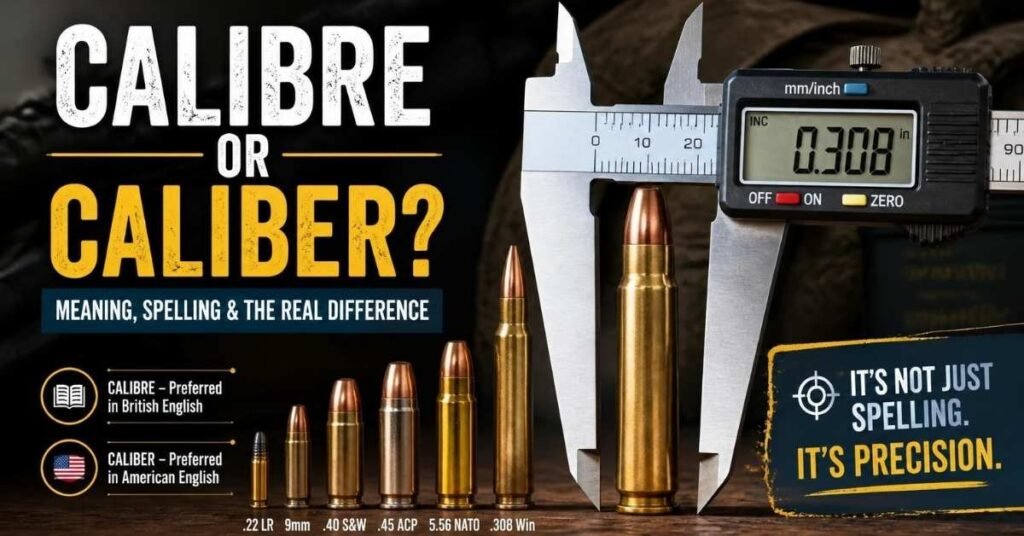
Here’s the short version. Caliber is the American English spelling. Calibre is the British English spelling. Same word, same meaning, different side of the pond.
Think of it like centre vs center. That’s the exact same pattern showing up again. If you write for US readers, go with caliber. If your audience is in the UK, India, or most Commonwealth countries, calibre is your pick.
There’s no right or wrong winner here. It’s about audience awareness and matching the regional spelling preferences of the people actually reading your work.
The Origin of Caliber or Calibre
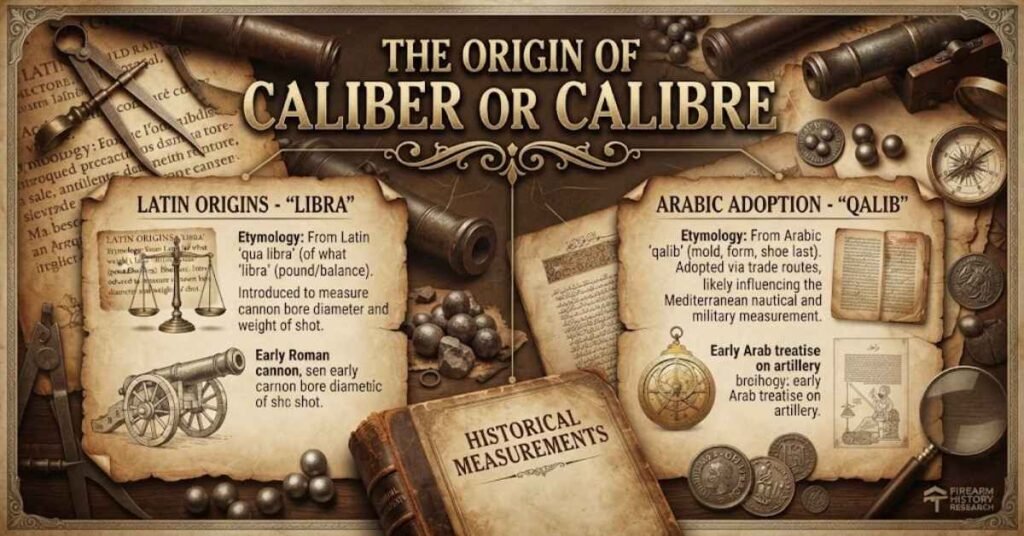
This word didn’t start in English at all. It traces back to the French word “calibre,” which itself likely borrowed from Arabic and Italian roots tied to measuring the bore of a gun barrel. Weird flex, but word history is full of surprises like that.
Over time, the term crossed into English and picked up a broader meaning. It stopped being just about gun barrels and started describing quality, skill level, and general standard. So when someone says a writer is “of high caliber,” they mean the writer’s work is impressive, not that the writer fires bullets well.
The etymology here explains why the spelling split happened later. English absorbed the French spelling first, and then American reformers changed it to fit a simpler, more phonetic style. That single choice created two valid spellings that still confuse people centuries later.
British English vs American English Spelling
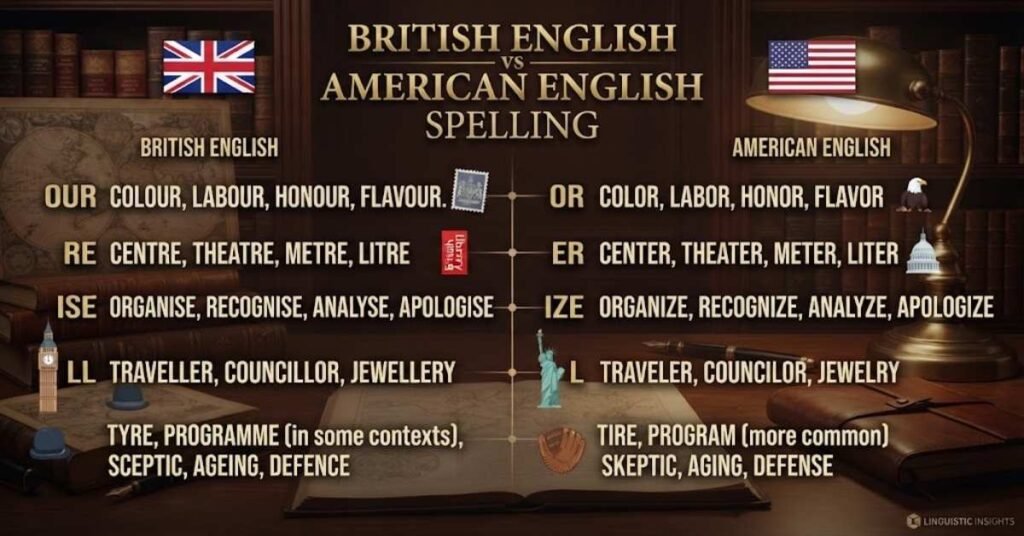
This isn’t a one-off oddity. English has a whole pattern of words that split between British English and American English rules, and caliber sits right in that group. Words ending in -re in British spelling often flip to -er in American spelling.
Look at “centre” and “center,” “theatre” and “theater,” “metre” and “meter.” Caliber and calibre follow the exact same -er vs -re spelling pattern. Once you spot it in one word, you start noticing it everywhere.
This split goes back to Noah Webster, the same guy behind Webster’s Dictionary. He pushed for American spelling simplification in the early 1800s, arguing that English should be easier to spell and learn. The British held onto traditional spelling instead, and neither side has budged since.
Which Spelling Should You Use?
So which one do you actually pick? It comes down to who’s reading your content, plain and simple. Get this wrong and it’s a small thing, but small things add up when you’re building trust with readers.
Use caliber when:
- Writing for a US English audience
- Publishing on American blogs, apps, or websites
- Following AP style or most US-based style guides
- Targeting SEO content for American search traffic
Use calibre when:
- Writing for UK English readers
- Publishing for audiences in India, Pakistan, Australia, or other Commonwealth regions
- Following British publishing houses or UK-based brands
- Matching a client’s existing regional audience preferences
Audience guidance:
If you genuinely don’t know your reader’s location, check your analytics first. Most websites can show where traffic comes from, and that data alone should settle the debate. When in doubt, default to American spelling since it tends to dominate global English content, but always stay consistent once you pick a lane.
Common Mistakes with Caliber or Calibre
The biggest slip-up people make? Mixing both spellings in the same piece of writing. You’ll write “caliber” in paragraph two and “calibre” in paragraph five, and suddenly your content looks sloppy instead of polished.
Another mistake is assuming the meaning changes based on spelling. It doesn’t. Whether you write caliber or calibre, you’re talking about the same level, standard, or quality. The confusion usually comes from writers overthinking a simple regional choice.
People also mess up spelling consistency across a whole website or brand. If your homepage uses calibre and your blog uses caliber, that’s a correct usage problem worth fixing. Pick one spelling for your entire brand voice and stick with it, the same way you’d stick with one tone or one logo.
Caliber or Calibre in Everyday Examples
Seeing the word in real situations makes the choice click faster than any rule ever could. Here’s how it actually shows up across different types of writing you probably deal with weekly.
Emails
Business emails usually lean toward the sender’s regional spelling. An American manager might write, “Your work is of the highest caliber,” while a London-based client might send, “This report shows real calibre.” Neither is wrong, it’s just local language preference doing its thing.
News
News outlets are pretty consistent within their own country. American papers like The New York Times use caliber, while British papers like The Guardian use calibre. This consistency helps build trust with readers who expect a certain writing style from their preferred source.
Social Media
Social media is messier since it’s a global audience mixing together in one feed. You’ll see both spellings used interchangeably, and honestly, most readers won’t even notice the difference unless they’re grammar nerds like some of us.
Formal Writing
Formal writing, like academic writing and legal documents, tends to follow strict regional rules. A UK university paper will almost always use calibre, while a US dissertation sticks with caliber. Writing accuracy matters a lot more in these settings.
Business Writing
Business writing often depends on where the company is headquartered. Multinational companies sometimes pick one spelling for global consistency, usually caliber, since American English dominates a huge chunk of international English business communication.
Caliber or Calibre – Usage Data
Numbers tell a story words alone can’t. Search trends show a clear pattern once you dig into how often people search each spelling and why.
Why people search this keyword:
Most people search this term because they’re unsure which spelling fits their document, essay, or email. Others search out of pure curiosity after seeing both spellings used online and wondering if one is a typo. It’s a genuine language variation question, not a niche one.
Popular regions:
The United States drives most searches for caliber, while the United Kingdom, India, and Pakistan drive most searches for calibre. This lines up perfectly with expected regional usage based on which English variant each country teaches in schools.
Usage contexts:
Education, business communication, and online content writing show up as the top three contexts where this question pops up. Students writing essays and professionals drafting reports are the two biggest groups typing “caliber or calibre” into Google.
Comparison Table (Keyword Variations)
| Term | Spelling Style | Common Region |
| Caliber | American spelling | United States |
| Calibre | British spelling | United Kingdom, India, Pakistan |
| Calibers | American plural | US readers |
| Calibres | British plural | UK readers |
| High caliber | American usage | US business writing |
| High calibre | British usage | UK business writing |
This table sums up the whole debate in one glance. Once you know your audience, picking the right row takes two seconds.
Caliber vs Calibre in Publishing and Style Guides
Publishers don’t leave this to guesswork, they lock it into their style guides from day one. AP Style, used across most American newsrooms, mandates caliber without exception. Oxford Style, followed by British publishers, mandates calibre just as firmly.
If you’re a freelance writer taking on international clients, always ask which style guide they follow before you start. It saves a round of edits later and shows the client you understand professional writing standards. This one question can make you look far more experienced than writers who skip it.
How Search Engines Treat Caliber vs Calibre
Search engines don’t penalize either spelling, but they do serve different results based on searcher location. Someone in Manchester searching “calibre meaning” gets slightly different results than someone in Chicago searching “caliber meaning,” even though both are hunting for the same core answer.
This matters for SEO because content creators writing for global audience traffic sometimes use both spellings naturally throughout a page. It’s not keyword stuffing, it’s smart content structure that captures searchers from both regions without alienating either one.
Caliber vs Calibre in Books, Movies, and Pop Culture
Here’s a fun angle most guides skip entirely. Book titles, screenplays, and even movie dialogue often reveal a writer’s regional roots through this single word choice. An American screenwriter might describe a character as “a man of real caliber,” while a British novelist writing the same scene reaches for calibre without a second thought.
This shows up in translated works too. When a British novel gets published for American shelves, editors sometimes quietly swap calibre for caliber to match US English reader expectations. It’s a small edit, but publishers take spelling consistency seriously enough to make the change across the entire manuscript.
Pop culture aside, this pattern proves something important. Spelling isn’t random, it’s tied to identity, geography, and audience, and that’s exactly why professional writing treats it as a deliberate choice rather than a typo to fix.
Tips to Remember the Right Spelling
Struggling to remember which spelling goes where? A few simple tricks make this stick for good, no memorization required.
- Remember: America and caliber both end sounds close to “er,” so pair them together in your head
- Think centre and calibre as British twins since both end in -re
- Check your spell checker’s language setting before publishing, since most tools flag the “wrong” one automatically
- When writing for online content writing platforms with global reach, default to caliber unless told otherwise
- Keep a quick reference note in your style sheet if you juggle multiple clients across different regions
These small habits build real writing confidence over time. Once the pattern clicks, you’ll never have to pause mid-sentence again wondering which version to type.
Conclusion
Caliber and calibre are the same word wearing two different outfits, one American, one British. The meaning of caliber and the meaning of calibre never changes, only the letters do. Pick based on your audience, stay consistent, and you’ll never trip over this again.
Got a story about mixing up these spellings in a real email or paper? Drop it in the comments, we’d genuinely love to hear it.
FAQs
1. Is “caliber” correct?
Yes, caliber is correct American spelling and is the standard choice for US readers, publications, and businesses.
2. Is “calibre” correct?
Yes, calibre is correct British spelling and works perfectly for UK, Indian, Pakistani, and other Commonwealth audiences.
3. Do both words mean the same?
Absolutely. Both describe quality, skill level, or standard, whether you’re talking about a person’s ability or an object’s measurement.
4. Which spelling is more common?
Caliber shows up more often overall since American English content dominates global online traffic, but calibre remains standard across many countries.
5. Can I use both in one document?
It’s best to avoid that. Pick one spelling and keep it consistent throughout your writing for a cleaner, more professional look.
6. Is there a difference in meaning?
No word difference exists in meaning. The only difference is regional spelling, nothing more.
7. Which should I use for global writing?
For a truly global English audience, caliber tends to be the safer default, though checking your specific reader base always helps more than guessing.

Jack Harrison is a passionate writer with 4 years of experience exploring names, meanings, origins, symbolism, and cultural significance. He creates clear, engaging, and well-researched content to help readers discover the deeper meanings behind names and words.
