
Have you ever seen the word FUPA on TikTok, Instagram, or in online conversations and wondered what it means? This popular slang term often appears in discussions about body shape, fitness, and self-confidence. FUPA stands for Fat Upper Pubic Area. It describes the soft pocket of fat around the lower belly, just above the pubic bone. But the meaning isn’t always simple. Depending on the context, people may use it casually, joke about it, or turn it into an insult.
If you’re wondering what is a fupa slang, understanding its meaning can help you avoid awkward misunderstandings. FUPA isn’t a medical term, and both men and women can have fat in this area. Genetics, hormones, aging, and weight changes can all affect your body shape. You may also see FUPA mentioned in fitness videos, memes, and body positivity discussions. Let’s break down its meaning, common uses, and how to discuss it respectfully.
What does FUPA mean in slang and texting?

When someone mentions FUPA in a text, they usually mean extra fat or fullness in the lower belly area. FUPA stands for Fat Upper Pubic Area. It describes the soft pouch above the pubic bone and below the stomach.
The phrase is a descriptive slang term, not a medical term. People use it in casual conversations, fitness discussions, and sometimes playful jokes. However, tone matters because comments about someone’s body can feel hurtful.
For anyone asking what is a fupa slang, the meaning depends on the conversation.
- Friendly: Discussing body shape without judgment.
- Fitness-related: Talking about fitness goals or body changes.
- Insulting: Mocking someone’s appearance or weight.
Conversation example:
- Alex: “I’ve been working on my fitness lately.”
- Sam: “That’s great! Focus on feeling healthy and strong.”
FUPA meaning in social media and online conversations
On social media, FUPA often appears in fitness content, funny memes, and discussions about body image. TikTok and Instagram creators may use the term when sharing workout routines or personal body transformation stories.
Some posts discuss FUPA exercises or how to lose a FUPA in 30 days. However, no specific workout can guarantee fat loss from one body area. Genetics, weight changes, hormones, and natural body shape can all influence the lower abdomen.
You’ll also find the term in captions and comments. Some people use it humorously, while others discuss it openly to promote body positivity.
- TikTok: Fitness videos and personal experiences.
- Instagram: Captions, reels, and body confidence posts.
- Memes: Jokes about appearance or everyday life.
Conversation example:
- Mia: “This fitness creator talks openly about her body.”
- Ella: “I like that she encourages confidence without body shaming.”
FUPA full form and real meaning explained
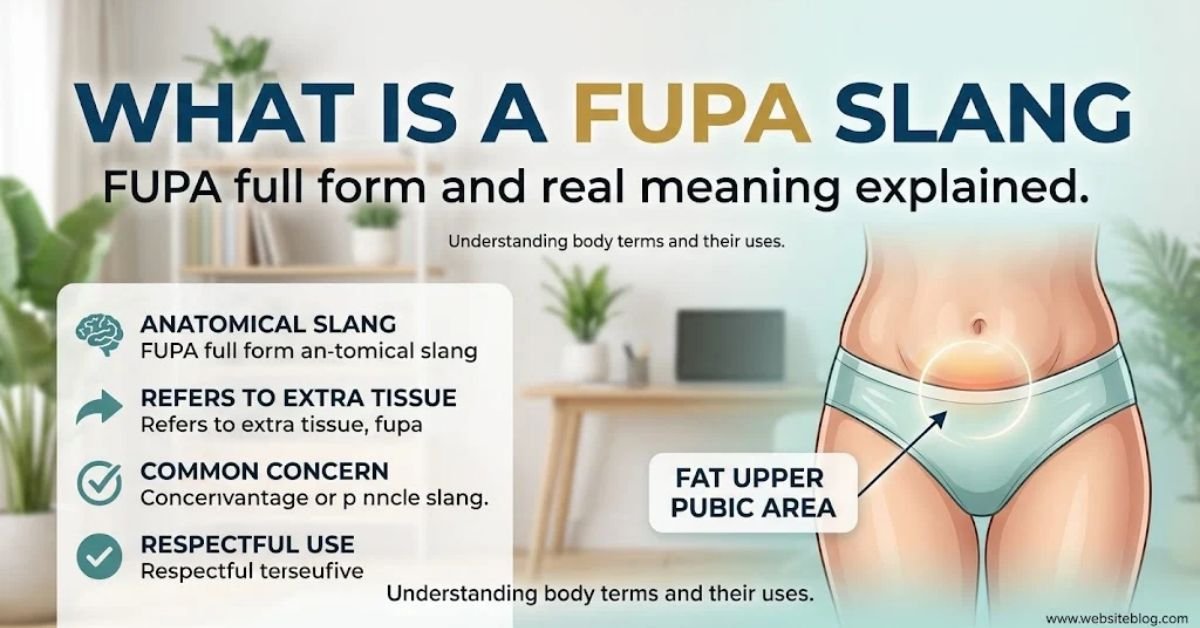
FUPA stands for Fat Upper Pubic Area. It describes a fuller area in the lower abdomen, just above the pubic bone. Some people call it a lower belly pouch or pooch.
The term refers to fat or fullness around the pubic region. Its appearance varies from person to person. Women and men can both have this body feature.
FUPA is informal language rather than a clinical diagnosis. The area can look different because of genetics, pregnancy, aging, weight changes, and natural body shape.
Here are a few related terms:
- Lower abdomen: The bottom part of your stomach area.
- Belly fat: Fat stored around the abdomen.
- Pooch: An informal word for a small belly bulge.
- Love handles: Fat around the sides of the waist.
Example: “My body shape changed after pregnancy, and my lower belly looks different now.”
Other meanings of FUPA in different contexts
In most everyday conversations, FUPA refers to the lower abdominal area. Its meaning usually stays the same, but the tone can change depending on who’s speaking and why.
In fitness communities, people may use FUPA while discussing body changes, weight management, or self-improvement. In memes and jokes, it can become a teasing expression. Sometimes, people use it to shame others for their appearance.
The related search phrase UPA meaning (woman) may reflect confusion about the acronym. FUPA specifically stands for Fat Upper Pubic Area, while UPA alone doesn’t have the same established meaning in this context.
- Neutral: Describing a body feature.
- Personal: Discussing your own fitness journey.
- Negative: Insulting someone else’s appearance.
- Online: Using the word in captions, comments, or jokes.
Conversation example:
- Jamie: “I noticed changes in my lower belly.”
- Riley: “Bodies change naturally. There’s no need to feel ashamed.”
Practical usage of FUPA in real life and online chats
FUPA usually appears in casual conversation rather than formal writing. Friends might discuss it while talking about fitness goals, body changes, or personal experiences.
In workplace communication, however, comments about someone’s lower belly can cross personal boundaries. Even a joke can sound disrespectful when the other person doesn’t welcome it.
Before using this slang term, consider your audience and the situation. Respectful communication matters more than sounding funny or trendy.
Here are a few natural examples:
- “I’ve been learning more about lower belly fat.”
- “She shared her postpartum body experience online.”
- “That video discusses FUPA without making fun of anyone.”
- “I’m focusing on healthy habits instead of appearance.”
- “He joked about his own body, but avoided teasing others.”
Conversation example:
- Chris: “Have you seen that fitness video about FUPA?”
- Jordan: “Yes, it explains the topic without judging people’s bodies.”
Comparison table: FUPA vs similar slang terms
FUPA belongs to a group of informal expressions people use when discussing body shape. However, these terms don’t all describe the same area.
| Term | Meaning | Common context |
| FUPA | Fullness or fat above the pubic region | Casual slang and fitness discussions |
| Belly fat | Fat around the abdomen | General health and fitness |
| Pooch | A small, rounded belly bulge | Informal conversation |
| Love handles | Fat around the sides of the waist | Body shape and fitness |
| Lower belly pouch | Fullness in the lower abdomen | Everyday descriptions |
| Abdominal fat | Fat stored around the abdomen | Health and fitness discussions |
FUPA is more specific than the general phrase belly fat. Meanwhile, pooch often sounds softer and less technical.
Conversation example:
- Taylor: “Is a pooch the same as FUPA?”
- Morgan: “They can overlap, but FUPA refers more specifically to the area above the pubic bone.”
How to use FUPA correctly in sentences
Using FUPA correctly means understanding both its definition and its tone. The word fits informal conversations about body shape, fitness, or personal experiences. It usually doesn’t belong in professional or formal communication.
If you’re writing about the term, explain its meaning before using it. This helps readers understand the topic without confusion.
Try these examples:
- “She explained what FUPA means in her fitness post.”
- “He searched for information about lower belly fat.”
- “The creator discussed FUPA and body positivity.”
- “My friend prefers not to discuss her body shape.”
- “The article explains FUPA slang in simple English.”
Keep these tips in mind:
- Use the term when it’s relevant.
- Avoid making assumptions about someone’s health.
- Don’t use it to embarrass or insult another person.
- Choose neutral language in professional settings.
Conversation example:
- Ava: “Can I use FUPA in my caption?”
- Noah: “Yes, if it fits your message and doesn’t target someone disrespectfully.”
Common mistakes when using FUPA in texting and slang
People sometimes use FUPA without understanding how personal body-related language can feel. A word that seems funny to one person may feel offensive to someone else.
Another common mistake is treating FUPA as a medical diagnosis. It is a slang term that describes an area of the body. It doesn’t explain why that area looks a certain way or whether someone has a health concern.
Avoid these mistakes when using the term:
- Assuming everyone knows it: Explain the full form when needed.
- Confusing slang with medical language: Keep the distinction clear.
- Making personal jokes: Don’t comment on someone’s body without considering their comfort.
- Promising quick results: Avoid claims that a FUPA will disappear within 30 days.
- Ignoring context: A casual conversation differs from workplace communication.
- Promoting body shaming: Never use the term to attack someone’s confidence.
Conversation example:
- Max: “That joke about her body was pretty harsh.”
- Leo: “You’re right. I should’ve chosen more respectful words.”
Common idioms related to body image and appearance
English has many idioms that describe appearance, health, mood, and confidence. These expressions can help you communicate naturally without relying on body-related slang.
However, idioms don’t always describe physical appearance literally. Some focus on emotions or energy instead. Understanding their meaning helps you choose the right phrase for each conversation.
A sight for sore eyes
This idiom describes someone or something pleasant to see, especially after a long absence.
Example: “Seeing my best friend after years apart was a sight for sore eyes.”
Use it to express happiness or appreciation rather than judge someone’s body.
Fit as a fiddle
This expression means being healthy, energetic, and physically well. People often use it when describing someone who feels strong and active.
Example: “After making exercise part of her routine, Maya felt fit as a fiddle.”
It focuses on general well-being rather than a specific body shape.
In the pink of health
This idiom means being in excellent health. It often describes someone who looks or feels healthy and energetic.
Example: “After a restful weekend, Daniel was in the pink of health.”
Remember that appearance alone can’t tell you everything about someone’s health.
A bag of bones
This expression describes someone who looks extremely thin. It can sound insulting when used about another person’s body.
Example: “He disliked being called a bag of bones when he was younger.”
Choose more considerate language when discussing someone’s weight or appearance.
Like a million bucks
This phrase means looking or feeling fantastic. It often describes confidence, style, or a positive mood.
Example: “She felt like a million bucks in her new outfit.”
You can use it to celebrate confidence without comparing bodies.
Down in the dumps
This idiom means feeling sad, discouraged, or unhappy. It describes someone’s emotional state rather than their physical appearance.
Example: “He felt down in the dumps after reading hurtful comments online.”
When conversations involve body image, kindness and support can make a real difference.
Skin and Bones
The idiom skin and bones describes someone who looks extremely thin. People often use it when a person has very little body fat. However, it can sound rude when you comment on someone’s appearance.
When learning what is a fupa slang, remember that FUPA describes fullness around the lower abdomen. It has a different meaning from skin and bones.
- Meaning: Extremely thin or underweight-looking.
- Usage: Informal conversations about appearance or health.
- Tone: It may sound critical or insensitive.
Conversation example:
- Alex: “He looks much thinner than before.”
- Sam: “Yes, he looks like skin and bones lately.”
Use this idiom carefully. Avoid judging someone’s body because their health or personal circumstances may be unknown.
Larger Than Life
The phrase larger than life describes someone or something that seems unusually impressive, exciting, or noticeable. It often refers to a person with a big personality, strong confidence, or a memorable presence.
Unlike FUPA, this idiom does not describe a specific body area. Understanding what is a fupa slang helps you recognize that slang terms and common idioms can serve different purposes in conversation.
- Meaning: Impressive, dramatic, or full of personality.
- Usage: Describing celebrities, characters, or confident people.
- Tone: Usually positive.
Conversation example:
- Mia: “Did you meet the singer?”
- Jake: “Yes! Her personality is larger than life.”
You can use this phrase when someone stands out from the crowd. It focuses on their presence rather than their physical size.
Look Like a Picture
The phrase look like a picture means someone looks especially attractive, neat, or well-presented. People may use it to compliment someone’s appearance, outfit, or overall presentation.
When researching what is a fupa slang, you may encounter conversations about body shape and appearance. This idiom offers a more positive way to describe someone’s look without focusing on one body part.
- Meaning: Looking beautiful, polished, or picture-perfect.
- Usage: Compliments, celebrations, and special occasions.
- Tone: Usually positive and friendly.
Conversation example:
- Sara: “How did I look at the wedding?”
- Emma: “You looked like a picture in that dress!”
The phrase is suitable for casual conversations. Still, remember that people have different ideas about beauty, so compliments should feel genuine and respectful.
Under the Weather
The idiom under the weather means feeling slightly sick or unwell. Someone might use it when they have a headache, cold, tiredness, or another minor health problem.
This phrase is unrelated to FUPA or body shape. If you search what is a fupa slang, you are looking at informal language about the lower abdominal area, not an expression about illness.
- Meaning: Feeling sick or physically unwell.
- Usage: Everyday conversations, texts, and workplace messages.
- Tone: Neutral and common.
Conversation example:
- Ali: “Are you coming to the gym today?”
- Ben: “Not today. I’m feeling under the weather.”
You can use this idiom to explain why you need rest or cannot attend an event. It is a natural alternative to saying you feel sick.
Full of Beans
The phrase full of beans describes someone who has lots of energy and enthusiasm. It is often used for people who seem lively, cheerful, and ready to do something.
This idiom does not describe belly fat or physical size. Understanding what is a fupa slang helps you separate body-related slang from expressions that describe a person’s mood or behavior.
- Meaning: Energetic, lively, or enthusiastic.
- Usage: Casual conversations about children, friends, or active people.
- Tone: Usually positive and playful.
Conversation example:
- Nina: “Your little brother has been running around all morning!”
- Zara: “He’s full of beans today.”
Use this expression when someone has plenty of energy. It can also describe a person who feels excited about a new project or activity.
Not a Pretty Sight
The idiom not a pretty sight describes something unpleasant, messy, or difficult to look at. People may use it for a cluttered room, a damaged object, or an uncomfortable situation.
However, using this phrase to describe someone’s body can be hurtful. When learning what is a fupa slang, it is important to recognize how appearance-related language can contribute to body shaming.
- Meaning: Something unpleasant or unattractive to see.
- Usage: Informal descriptions of messes or difficult scenes.
- Tone: Often negative or critical.
Conversation example:
- Ryan: “What happened to the kitchen?”
- Mark: “After the party, it was not a pretty sight.”
Use the phrase for situations rather than someone’s natural body shape. This keeps your language clearer and helps avoid unnecessary personal insults.
As Fresh as a Daisy
The idiom as fresh as a daisy describes someone who looks or feels refreshed, energetic, and well-rested. It can also describe a person who seems cheerful after sleeping or recovering from a tiring day.
Unlike FUPA, this phrase does not refer to a specific body feature. If you are learning what is a fupa slang, knowing related expressions can help you understand how informal English describes appearance in different ways.
- Meaning: Refreshed, lively, or full of energy.
- Usage: Everyday chats after rest, sleep, or a break.
- Tone: Positive and friendly.
Conversation example:
- Leo: “You look great this morning!”
- Maya: “Thanks! I slept well and feel as fresh as a daisy.”
This expression works well when describing someone who looks rested and ready for the day.
A Face Like Thunder
The idiom a face like thunder describes someone who looks extremely angry or annoyed. Their facial expression may show frustration even before they say anything.
This phrase is about emotion, not body shape. While researching what is a fupa slang, you may see many informal expressions online. Understanding their meanings helps you avoid confusing slang about appearance with idioms about feelings.
- Meaning: Looking very angry or upset.
- Usage: Casual conversations and storytelling.
- Tone: Informal and descriptive.
Conversation example:
- Adam: “Why does Dad look so angry?”
- Sara: “He has a face like thunder because the car broke down.”
The idiom is useful when someone’s expression clearly shows frustration. It can make a story more vivid without directly saying the person is angry.
In Bad Shape
The phrase in bad shape means something is damaged, unhealthy, or not in good condition. Its exact meaning depends on the situation. A person may feel exhausted, a car may need repairs, or a team may be performing poorly.
In body-related conversations, the phrase can sound judgmental if you use it to criticize someone’s appearance. Understanding what is a fupa slang also means recognizing the difference between describing a body feature and making assumptions about someone’s health.
- Meaning: In poor condition or struggling.
- Usage: Health, objects, fitness, and everyday situations.
- Tone: Neutral or negative, depending on context.
Conversation example:
- Chris: “Can we still use this old bike?”
- Jamie: “Probably not. It’s in bad shape.”
Be specific when discussing health or fitness. A person’s appearance alone does not tell you everything about their well-being.
Feeling Blue
The idiom feeling blue means feeling sad, low, or emotionally down. Someone might use it after a disappointing event, an argument, or a difficult day.
It has nothing to do with FUPA or the lower abdomen. When exploring what is a fupa slang, remember that informal English includes many expressions for emotions, physical appearance, and everyday experiences.
- Meaning: Feeling sad or unhappy.
- Usage: Text messages, casual chats, and personal conversations.
- Tone: Gentle and informal.
Conversation example:
- Ella: “You’ve been quiet today. Is everything okay?”
- Lily: “I’m just feeling blue after a rough week.”
This expression can help you explain your mood without sharing every detail. If a friend says they feel blue, listening kindly may be more helpful than making jokes.
Alive and Kicking
The idiom alive and kicking means someone or something is still active, healthy, or functioning. People often use it to show that a person remains energetic or that something continues to exist despite challenges.
The expression does not describe body fat. If you are researching what is a fupa slang, this distinction matters because slang terms and idioms often appear together in online conversations but mean different things.
- Meaning: Still active, functioning, or full of life.
- Usage: Casual conversations about people, businesses, or activities.
- Tone: Usually positive and upbeat.
Conversation example:
- Noah: “Is your old music group still together?”
- Ethan: “Absolutely! We’re alive and kicking.”
You can use this phrase to reassure someone that you are doing well. It also works for traditions, projects, or organizations that continue despite difficulties.
On Top of the World
The phrase on top of the world describes feeling extremely happy, successful, or proud. Someone might use it after achieving a goal, receiving good news, or celebrating an important moment.
This idiom focuses on emotions rather than appearance. When learning what is a fupa slang, it helps to compare body-related expressions with phrases that describe confidence and happiness.
- Meaning: Feeling extremely happy or successful.
- Usage: Celebrations, personal achievements, and casual conversations.
- Tone: Positive and enthusiastic.
Conversation example:
- Hannah: “How do you feel after passing your final exam?”
- Olivia: “I feel on top of the world!”
The phrase is useful when ordinary words like happy or excited do not feel strong enough. It communicates a sense of achievement and personal satisfaction.
Like a House on Fire
The idiom like a house on fire usually describes two people who quickly become very friendly or get along extremely well. It suggests an immediate connection and an easy, lively relationship.
This phrase is not about physical appearance or body size. Understanding what is a fupa slang can help you recognize the difference between informal terms about body shape and idioms about social relationships.
- Meaning: Getting along very well with someone.
- Usage: Friendships, family relationships, and new connections.
- Tone: Informal and positive.
Conversation example:
- Maya: “How did your new coworkers get along?”
- Sam: “They hit it off like a house on fire.”
Use this expression when people connect quickly and comfortably. It can describe new friends, classmates, or colleagues who develop a strong bond.
Run of the Mill
The phrase run of the mill describes something ordinary, typical, or not especially unusual. People use it when something is common rather than special or remarkable.
It does not refer directly to FUPA or any particular body feature. When researching what is a fupa slang, you may encounter many expressions with different purposes. Some describe appearance, while others simply explain how ordinary or unusual something seems.
- Meaning: Ordinary, common, or unremarkable.
- Usage: Everyday conversations, reviews, and informal writing.
- Tone: Usually neutral, sometimes mildly dismissive.
Conversation example:
- Ben: “How was the movie?”
- Alex: “It was okay, just a run-of-the-mill comedy.”
This idiom is useful when something meets expectations but does not stand out. Avoid using it to dismiss someone’s personal experience or achievements.
Conclusion
Understanding what is a fupa slang helps you recognize this popular term in online chats and social media posts. FUPA stands for Fat Upper Pubic Area. It describes a soft pocket of fat above the pubic bone. People use it when discussing body shape, fitness, and weight changes. However, its meaning can depend on the context and tone. Some people use it casually, while others may find it offensive.
Now that you know what is a fupa slang, remember that everyone’s body is different. Genetics, hormones, aging, and weight changes can affect the lower belly. Healthy eating and regular exercise may support overall fat loss, but results vary. Avoid judging others based on appearance. Use the term carefully in conversations, captions, and comments. Knowing what is a fupa slang helps you understand its meaning and communicate with greater respect.
FAQs:
write easy to read short sentences human written answers of these questions, mention focus keyword “what is a fupa slang “, make sure each answer must be in only 2 lines, (20 words) give h3 to all questions, don’t use double quotation marks.
H3: What is a fupa?
H3: What does a fupa belly look like?
H3: What causes a woman to have a fupa?
H3: Can men have a fupa?
H3: Is FUPA a bad word?
H3: How do you get rid of a FUPA?
H3: Are there specific fupa exercises?
H3: How to lose a fupa in 30 days?
H3: Is FUPA used in medical terms?
H3: Is it okay to use FUPA on social media?
What is a FUPA?
FUPA stands for Fat Upper Pubic Area. If you’re asking what is a fupa slang, it describes fat above the pubic bone.
What does a FUPA belly look like?
A FUPA looks like a soft pocket or pouch of fat in the lower belly, just above the pubic area.
What causes a woman to have a FUPA?
Genetics, weight changes, pregnancy, aging, and hormones can affect fat storage around the lower abdomen. Everyone’s body is different.
Can men have a FUPA?
Yes, men can have a FUPA too. It refers to fat around the upper pubic area, regardless of gender.
Is FUPA a bad word?
FUPA is informal slang, not always offensive. However, using it to mock someone’s body can sound rude or hurtful.
How do you get rid of a FUPA?
Overall fat loss through balanced eating, regular exercise, and healthy habits may reduce lower belly fat. Results vary between individuals.
Are there specific FUPA exercises?
No exercise can target fat loss in one specific area. Strength training and full-body activity can support overall fat reduction.
How to lose a FUPA in 30 days?
Build consistent habits with balanced meals, regular workouts, and enough sleep. Noticeable changes vary, and losing fat in 30 days isn’t guaranteed.
Is FUPA used in medical terms?
No, FUPA is not a formal medical term. Healthcare professionals may use terms such as lower abdominal fat or suprapubic fat.
Is it okay to use FUPA on social media?
Yes, when used respectfully to discuss yourself or body positivity. Avoid using FUPA to shame others or criticize their appearance.

Jack Harrison is a passionate writer with 4 years of experience exploring names, meanings, origins, symbolism, and cultural significance. He creates clear, engaging, and well-researched content to help readers discover the deeper meanings behind names and words.
