
You typed it into Google, didn’t you? “Chello” or “cello,” and now you’re not sure which one looks right on the page. You’re not alone. This mix up trips up students, musicians, and even people writing about the orchestra for the first time.
Let’s clear it up right now, then dig into why the confusion even happens.
Chello or Cello – Quick Answer
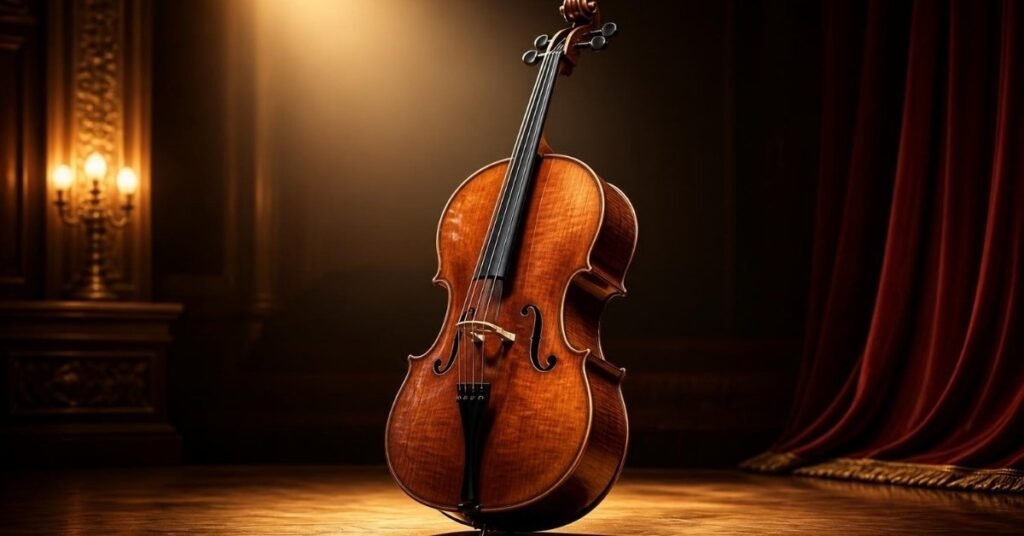
The correct spelling is cello. Not chello. The word comes from violoncello, an Italian term for a string instrument that sits in the violin family. “Chello” is a common misspelling, usually born from how the word sounds when you say it out loud.
Say “cello” slowly and you’ll notice something. It starts with a ch sound, not a C sound the way “cat” or “car” does. That’s exactly why so many people assume there’s an “h” hiding in there somewhere. There isn’t. The spelling stays locked at c-e-l-l-o, no matter how tempting that extra letter feels.
Examples
- Correct: “She’s been taking cello lessons for two years.”
- Incorrect: “She’s been taking chello lessons for two years.”
- Correct: “The cello player tuned her instrument before the show.”
- Incorrect: “The chello player tuned her instrument before the show.”
Simple as that. One spelling wins, every single time.
The Origin of Chello or Cello
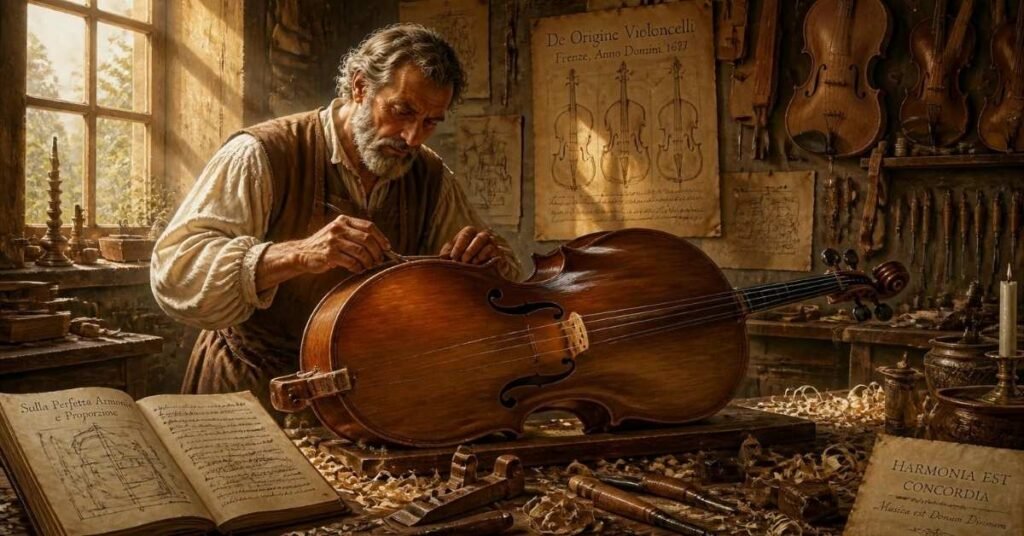
Here’s where things get genuinely interesting. The word origin traces back to violoncello, which itself grew from “violone,” an older, bigger bass instrument used in European classical music. Add the Italian suffix “-cello,” which roughly means “small” or “little,” and you get “little violone.” Ironic, since a cello is hardly small compared to a violin.
Musicians eventually got tired of saying the whole mouthful. Over time, “violoncello” got trimmed down to just “cello,” and that shortened version stuck. This kind of historical spelling shift happens a lot in music vocabulary. Think about how “piano” used to be “pianoforte.” Language gets lazy in the best way, and shorter words win out.
The etymology matters here because it explains the spelling logic. Since the word is Italian at its root, English speakers inherited both the sound and the letters as they were, without adjusting them to match English phonetic spelling habits. That mismatch between how it sounds and how it’s spelled is exactly what fuels the pronunciation mistake so many people make when they first see the word written down.
British English vs American English Spelling
Good news on this front. Unlike words such as “colour” versus “color,” there’s no regional spelling variation here. Both British English and American English spell it the same way: cello. No extra “u,” no swapped letters, nothing.
This puts “cello” in a small, happy category of musical terms that dodge the usual English language guide headaches. Whether you’re reading a music article from London or one from New York, the spelling stays identical. The dictionary usage across both regions confirms it too. Merriam-Webster, Oxford, and Cambridge dictionaries all list “cello” with zero variants worth mentioning.
So if you’ve been second guessing whether Americans write it differently than the British do, you can drop that worry completely. This one’s universal.
Which Spelling Should You Use?
Cello. Always cello. Whether you’re writing for school assignments, drafting emails, posting on social media, or working on something formal for professional writing, “cello” is the only accepted form in standard English.
Here’s a simple way to remember it. Picture the word “cell,” like a prison cell or a phone’s SIM cell, then just tack on an “o.” Cell plus o equals cello. No “h” involved anywhere in that chain.
If you’re a music student, a teacher, or someone writing about orchestra information for a blog or a class project, sticking to the correct form matters more than you might think. It signals that you know your subject, and readers, especially musicians and music community members, notice small errors like this fast.
Common Mistakes with Chello or Cello
Let’s break down exactly where people go wrong. These aren’t random errors. They follow patterns, and once you see the pattern, you stop making the mistake.
Mistake 1: Spelling It the Way It Sounds
This is the biggest offender. The word starts with a ch sound, so writers naturally reach for “ch” when spelling it. It feels intuitive. It’s also wrong. English is full of these sound confusion traps, and cello happens to be one of the sneakier ones.
Mistake 2: Confusing It with Similar Sounding Words
Some people blend “cello” with words like “chello” from unrelated brand names or internet slang they’ve seen elsewhere, and the wires cross. Once a wrong spelling gets planted in your head from somewhere else, it’s hard to shake loose, even if you technically know better.
Mistake 3: Autocorrect and Typing Speed
Fast typing plus a shaky autocorrect setting equals typos. A typo here and there isn’t a big deal in a text to a friend, but in formal writing, a music article, or a school paper, it can make you look careless. Slowing down for two seconds before hitting send fixes this one every time.
Chello or Cello in Everyday Examples
Seeing the word used correctly across different settings helps it stick. Let’s walk through a few real world scenarios where this spelling question pops up constantly.
Emails move fast, and that’s exactly when errors creep in. If you’re emailing a music teacher, a school, or a cello player about cello lessons, double check the spelling before you hit send. “I’d love to schedule a cello lesson this Thursday” reads clean and professional. Swap in “chello” and it undercuts your credibility instantly, even if the rest of the email is solid.
News
News outlets covering classical music, concert reviews, or profiles on rising musicians stick strictly to “cello.” Editorial standards don’t leave room for spelling mistakes like this one, and readers expect accuracy from anything published under a masthead.
Social Media
Social media is more relaxed, sure, but band discussions and orchestra discussions on platforms like Reddit or Instagram still lean toward the correct spelling, especially among people who actually play the instrument. Get it wrong in a caption about your recital, and someone in the comments will probably point it out.
Formal Writing
School papers, program notes for a concert, resumes mentioning music lessons you’ve taken, all of these fall under formal writing, where correct word choice genuinely counts. This is where the stakes are highest, and where “cello” absolutely needs to appear instead of “chello.”
Chello or Cello – Google Trends & Usage Data
Curious how many people actually search for the wrong version? A decent chunk, it turns out. Google Trends data consistently shows searches for “chello” as a misspelling variant, sitting well below “cello” in overall volume, but steady enough to prove this confusion is widespread rather than rare.
Search interest for the correct spelling dominates by a wide margin, which makes sense since “cello” appears in everything from music education resources to instrument shops to concert listings. Still, that smaller wave of search queries for “chello” tells us plenty of people are typing what they hear rather than what’s actually correct, then landing on pages exactly like this one to get sorted out.
Countries with High Search Interest
Based on general online searches and search data trends, interest in cello related terms runs high across a handful of countries in particular:
- United States, thanks to a large base of music students and school orchestra programs
- United Kingdom, home to a long standing classical orchestral music tradition
- Canada, with strong music education systems in public schools
- Australia, where youth orchestras and music lessons are widely popular
- Germany, a country deeply tied to the roots of European classical music
These regions share one thing in common. They all have active music community networks, school programs, and professional orchestras, which naturally drives more searches, both correct and misspelled, around this instrument guide topic.
Comparison Table: Chello vs Cello
| Feature | Chello | Cello |
| Correct spelling | No | Yes |
| Dictionary listed | No | Yes |
| Used in British English | No | Yes |
| Used in American English | No | Yes |
| Root word | N/A | Violoncello (Italian) |
| Common in formal writing | No | Yes |
| Found in music education materials | No | Yes |
| Search volume | Low, mostly typos | High, standard term |
The table makes it obvious at a glance. “Chello” simply doesn’t hold up anywhere it matters, whether that’s a dictionary, a classroom, or a published article.
The Cello’s Place in the Violin Family
Since we’re already deep into this topic, let’s cover something that actually helps beyond spelling. A cello belongs to the violin family, alongside the violin itself and the viola. Think of the family as a set of siblings, each one larger and lower pitched than the last.
The violin sits at the top, small and bright. The viola comes next, a little bigger, with a warmer tone. Then the cello, a large string instrument you play while seated, resting between your knees. It produces a deep sound and a rich sound that anchors the string section of an orchestra. Below the cello sits the double bass, the true giant of the family.
Understanding this hierarchy helps explain why the cello sounds the way it does. Bigger body, longer strings, lower musical tones. It’s basic physics dressed up in classical music.
How the Cello Is Played
A bowed instrument like the cello relies on bow technique to produce sound, though players can also pluck the strings using a method called pizzicato for variety. Learning proper bow control takes real instrument practice, often years of it, which is part of why becoming a skilled cello player takes serious dedication.
Beginner musicians usually start with basic scales and simple pieces before working up to the demanding chamber music and orchestral pieces that make the cello famous. Patience matters more than talent in the early stages. Every orchestra member who plays cello today started exactly there, fumbling through scales.
Learning Cello as a Beginner
If you’re one of the beginners thinking about picking up this instrument, here’s the honest truth. It’s not easy, but it’s absolutely doable with consistent practice. Most music teachers recommend starting with a properly sized instrument, since an adult sized cello can overwhelm a young student both physically and technically.
Cello practice works best in short, focused sessions rather than long, exhausting ones. Fifteen minutes of genuine focus beats an hour of distracted noodling. Many students combine private cello lessons with group orchestra classes at school, which builds both technical skill and the experience of playing alongside others, something a solo lesson simply can’t replicate.
FAQs
1. Is chello a real word?
No. “Chello” isn’t a recognized word in any standard dictionary. It’s a misspelling of “cello,” typically caused by how the word sounds when spoken aloud.
2. What is a cello?
A cello is a large string instrument from the violin family, played with a bow while seated, known for its deep sound and central role in orchestra and chamber music settings.
3. Why do people write chello?
Mostly because of pronunciation. The word starts with a ch sound, so writers assume the spelling should match, even though it doesn’t.
4. Is cello used in orchestras?
Yes, absolutely. The cello forms a core part of the string section in nearly every classical orchestral music ensemble, providing depth and warmth beneath the violins and violas.
5. Do British and American English spell cello differently?
No. This is one of the rare musical terms where British English and American English spelling matches exactly. No regional spelling variation exists here.
6. What family of instruments does the cello belong to?
The cello belongs to the violin family, sitting between the viola and the double bass in terms of size and pitch range.
7. Is cello difficult to learn?
It has a real learning curve, especially with bow control and finger positioning, but with regular cello practice and patience, beginner musicians can absolutely build solid skills over time.
Conclusion
So, chello or cello? It’s cello, full stop. The confusion makes total sense once you understand the pronunciation mistake behind it, but now you’ve got the correct spelling locked in for good. Whether you’re writing an email, working on school assignments, or just settling an argument with a friend, you can spell it with confidence from here on out.
And if you ever find yourself curious about the instrument itself, not just its spelling, there’s a whole world of classical music and modern music waiting where the cello plays a starring role.

Jack Harrison is a passionate writer with 4 years of experience exploring names, meanings, origins, symbolism, and cultural significance. He creates clear, engaging, and well-researched content to help readers discover the deeper meanings behind names and words.
