Ever heard someone say hoochie mama and thought, Wait, what does that even mean? This unusual slang phrase can grab attention because its meaning isn’t always straightforward. It may describe a woman as flirtatious, flashy, bold, or sexually confident. In some situations, people use it playfully or as a joke. In others, it can sound insulting or disrespectful. The tone, relationship, and situation all matter when understanding the phrase.
The hoochie mama meaning becomes even more interesting when you look at its history. The phrase connects with older American slang and the term hoochie coochie. Over time, music, movies, TV shows, and internet culture helped spread it. Today, you may see it in memes, social media captions, or throwback references. Some people use it humorously, while others consider it outdated or judgmental. Understanding the context helps you know what the speaker really means.
Quick Answer
The hoochie mama meaning usually describes a woman viewed as flirtatious, flashy, provocative, or sexually confident. The phrase can describe clothing, behavior, or attitude.
Its tone depends heavily on the speaker and situation. Some people use it playfully, while others hear it as judgmental, insulting, or disrespectful.
- It can describe revealing clothing.
- It may suggest attention-seeking behavior.
- It can appear in jokes among friends.
- It may sound offensive in formal settings.
Conversation example:
“Why did he call her a hoochie mama?”
“He probably meant her outfit looked flashy and provocative, but the phrase can sound insulting.”
The term isn’t considered profanity. However, that doesn’t automatically make it respectful. Audience awareness matters because cultural context and generational differences can change how people understand this slang phrase.
Introduction
Have you heard hoochie mama in a song, meme, movie, or casual conversation? If so, you may have wondered what the phrase actually means.
The expression has a long history in American slang. Its meaning connects with sexuality, appearance, revealing clothing, and a bold public image.
This guide explains the hoochie mama meaning in simple language. You’ll learn where the phrase came from and how people use it today.
- Meaning and definition
- Origin and etymology
- Tone and cultural context
- Example sentences
- Common misunderstandings
- Modern alternatives
Conversation example:
“I heard hoochie mama in an old rap song. Is it a compliment?”
“Not always. The meaning depends on the tone, context, and relationship between the speakers.”
Understanding those details helps you recognize the phrase without accidentally using it in the wrong setting.
What Does Hoochie Mama Mean?
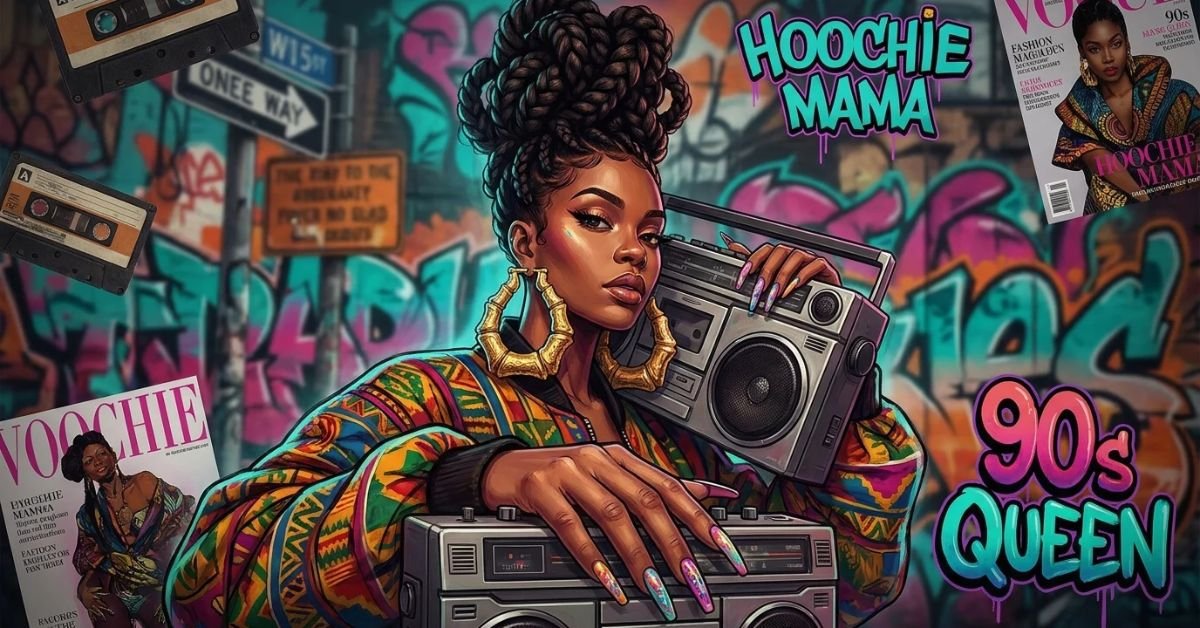
The hoochie mama meaning generally refers to a woman perceived as flirtatious, provocative, flashy, or sexually confident. The phrase can focus on appearance, clothing, attitude, or behavior.
The word hoochie carries much of that slang meaning. Mama can work as slang for a woman. Together, they form a phrase with a stronger stereotype.
- Flirtatious or sexually confident
- Bold or flashy
- Wearing revealing clothing
- Attention seeking
- Provocative in appearance or behavior
However, hoochie mama doesn’t always function as a serious insult. Some speakers use it for playful or ironic humor.
Conversation example:
“She called herself a hoochie mama after wearing that sparkly outfit.”
“Sounds like she was using the phrase jokingly.”
The important point is tone. A playful remark among friends can sound very different from the same phrase directed at a stranger.
Hoochie Mama Meaning by Context
Context can completely change how people understand this slang phrase. The hoochie mama meaning may sound playful in one conversation and insulting in another.
Consider where the phrase appears and who says it. Music lyrics, memes, social media captions, and casual conversation often use slang more freely.
| Context | Possible meaning | Tone |
| Jokes among friends | Flashy or bold woman | Playful |
| Music lyrics | Provocative or attractive woman | Informal |
| Social media | Exaggerated style or humor | Ironic |
| Argument | Sexual or appearance-based insult | Insulting |
| Workplace | Inappropriate description | Disrespectful |
Conversation example:
“She used hoochie mama in her throwback post.”
“That sounds like an ironic or nostalgic reference.”
The same phrase can become hurtful when someone uses it to shame women or judge their sexuality and appearance. Audience awareness matters.
Where Did the Term Hoochie Mama Come From?
The exact origin of hoochie mama remains debated. However, the word hoochie has connections with older American slang.
Some explanations connect hoochie with hoochie coochie, a phrase associated with provocative dance performances at fairs and traveling shows. These performances became part of American entertainment history.
Over time, the expression developed broader associations with sexuality, provocative behavior, and revealing fashion.
The phrase became especially recognizable during the late twentieth century, particularly through:
- Hip hop music and rap music
- R&B songs
- Comedy shows and movies
- Television shows
- Urban slang
- Club culture and nightlife
- Internet culture
By the 1990s and early 2000s, hoochie mama appeared more widely in popular entertainment.
Conversation example:
“Where did hoochie mama come from?”
“It appears connected to older American slang and entertainment traditions involving provocative dance.”
Because slang evolves, modern usage doesn’t always match its earlier meaning.
Is Hoochie Mama Offensive?
Whether hoochie mama sounds offensive depends on context, tone, and audience. The phrase isn’t considered profanity, yet it can still feel disrespectful.
Many people associate it with judgment about a woman’s clothing, sexuality, or behavior. That association can make the expression uncomfortable or insulting.
It may suggest:
- A sexist stereotype
- Shaming women
- Judgmental attitudes
- Sexualization
- Outdated gender attitudes
Conversation example:
“Is hoochie mama a bad word?”
“It’s not profanity, but some people consider it offensive because it can stereotype or shame women.”
Generational differences also matter. Someone familiar with older music may recognize the phrase immediately. Another person may view it as outdated or inappropriate.
When you’re unsure, audience awareness helps. Words such as stylish, glamorous, confident, bold, fashion forward, or trendy usually communicate appearance without the same negative baggage.
When It May Sound Offensive
The phrase can sound offensive when someone uses it to judge another person’s appearance or sexuality. Tone alone doesn’t always remove that problem.
It becomes especially risky when directed toward someone who hasn’t invited that kind of joking language.
- Calling a stranger a hoochie mama
- Shaming revealing clothing
- Using it during an argument
- Labeling someone’s sexuality
- Using it in professional or workplace settings
- Turning it into a personal insult
Conversation example:
“Why did the conversation suddenly become uncomfortable?”
“He called her a hoochie mama because of her dress. She didn’t appreciate the comment.”
The problem often comes from the stereotype behind the phrase. It can reduce someone to appearance or perceived sexual behavior.
In formal settings, avoid the expression altogether. A neutral description works better and prevents unnecessary misunderstanding.
When It May Sound Less Serious
Sometimes people use hoochie mama without intending a serious insult. The phrase can appear in jokes among friends, nostalgic references, memes, and ironic social media captions.
The relationship between speakers matters. So does the shared sense of humor.
- Jokes among close friends
- Throwback posts
- Memes about 1990s culture
- Music or entertainment references
- Ironic use
- Self-deprecating humor
Conversation example:
“Look at this old outfit. Total hoochie mama era!”
“Haha, that’s definitely a 2000s throwback.”
Even here, context doesn’t guarantee that everyone will find it funny. One person may see harmless nostalgia while another hears an insulting stereotype.
If the audience doesn’t know your intention, a more neutral word can prevent confusion. That’s especially useful when posting publicly or speaking with people from different generations and cultural backgrounds.
Examples of Hoochie Mama in Sentences
The hoochie mama meaning can change depending on the speaker’s tone and the situation. In everyday speech, it may sound playful, teasing, or insulting.
The phrase often describes someone as flashy, flirtatious, provocative, or sexually confident. However, context matters.
You might hear it in:
- Casual conversations
- Music lyrics
- Social media captions
- Jokes among friends
- Throwback posts
- Arguments or criticism
Conversation example:
“Why did she call her outfit hoochie mama?”
“She was joking about the flashy style. She didn’t mean it as a serious insult.”
Another speaker might use the same phrase negatively. In that case, it can judge someone’s appearance or sexuality.
Tip: Listen to the relationship between the speakers. Their tone often tells you whether the phrase is playful or disrespectful.
Casual or Playful Examples
In casual speech, people sometimes use hoochie mama as humorous slang. The speaker may exaggerate someone’s outfit or bold personality for comic effect.
This usage often appears among friends who understand each other’s humor.
- “That outfit has a real hoochie mama vibe.”
- “She joked that her party dress looked hoochie mama.”
- “That throwback photo screams early-2000s hoochie mama.”
Conversation example:
“Look at this old picture!”
“Wow, you were definitely giving hoochie mama energy!”
Here, the phrase works as playful teasing rather than a serious judgment.
It can also appear in memes or nostalgic references to older fashion. Still, not everyone considers the term harmless. Some people associate it with sexist stereotypes and shaming women.
So, even when the intention feels lighthearted, audience awareness remains important. A close friend may laugh. A stranger may not.
Negative or Insulting Examples
The hoochie mama meaning becomes harsher when someone uses the phrase to criticize a woman’s clothing, sexuality, or behavior.
In these situations, the expression can sound judgmental or disrespectful. It may also reinforce a stereotype about women.
- “He called her a hoochie mama because of her revealing dress.”
- “She felt insulted when someone used the phrase against her.”
- “Calling a stranger a hoochie mama can create an uncomfortable situation.”
Conversation example:
“Why was she upset?”
“Someone called her a hoochie mama because of what she was wearing.”
The problem isn’t profanity. The phrase isn’t generally considered a bad word in that sense. Instead, its negative meaning comes from the judgment behind it.
For that reason, avoid using it in professional or formal settings. Neutral words such as stylish, glamorous, confident, or trendy usually communicate the idea more respectfully.
Hoochie Mama in Music and Pop Culture
Music and entertainment helped make hoochie mama recognizable to wider audiences. The phrase became especially noticeable during the 1990s and early 2000s.
You may encounter it in hip hop music, rap music, R&B songs, comedy shows, movies, and television shows. It also became part of broader urban slang and club culture.
Common places to encounter the phrase include:
- Music lyrics
- Comedy movies
- Television shows
- Nightlife references
- Social media captions
- Memes
- Throwback posts
- Internet culture
Conversation example:
“Why does this old song use hoochie mama?”
“That kind of slang was more common in certain music and entertainment during that period.”
Pop culture also helped spread the phrase beyond its original audiences. However, modern listeners may interpret it differently.
Some people hear nostalgic humor. Others hear an outdated stereotype. That difference reflects changing gender attitudes and how slang evolves across generations.
Similar Slang Terms and Related Phrases
Several slang expressions overlap with the hoochie mama meaning, but they don’t carry exactly the same tone.
For example, diva can describe a confident or dramatic woman. Baddie usually sounds more positive in modern social media culture.
| Term | General meaning | Typical tone |
| Diva | Confident or dramatic woman | Neutral to positive |
| Baddie | Stylish and attractive woman | Positive |
| Party girl | Social and outgoing woman | Usually neutral |
| Gold digger | Person seeking money through relationships | Negative |
| Hoochie | Provocative or revealing style | Negative or playful |
| Hoochie mama | Woman viewed as provocative or flashy | Playful or insulting |
The word mama can also work as slang for a woman in certain expressions.
Conversation example:
“Is hoochie mama the same as baddie?”
“Not really. Baddie usually sounds complimentary, while hoochie mama can sound judgmental.”
That distinction matters when choosing words for casual conversation or social media.
How the Meaning Has Changed Over Time
The hoochie mama meaning has shifted as American slang and social attitudes have changed.
Older uses often carried a stronger judgment about women’s appearance, dancing, or behavior. Modern speakers may use the phrase ironically or as a nostalgic reference.
Language change happens gradually. A phrase can move from common slang to dated expression without completely disappearing.
You can see that shift through:
- Changing gender attitudes
- Different ideas about sexuality and appearance
- Generational differences
- Internet culture
- Ironic humor
- Nostalgic references
Conversation example:
“Do people still say hoochie mama?”
“Sometimes, but you hear it more in older music, jokes, memes, or throwback posts.”
The phrase hasn’t vanished completely. Its tone simply depends more heavily on context today.
Older Usage
Older uses of hoochie mama often sounded harsher. Speakers could use the phrase to criticize women for revealing clothing, provocative dancing, or perceived sexual behavior.
The expression became associated with American slang and entertainment during the late twentieth century. It appeared in music, nightlife, comedy, and popular culture.
Common associations included:
- Provocative dance
- Flashy clothing
- Sexual confidence
- Nightlife
- Hip hop culture
- Club culture
- Comedy and entertainment
Conversation example:
“Why does this old movie use that phrase?”
“It reflects the slang and gender attitudes that were more common when the movie was made.”
However, older usage doesn’t mean everyone accepted the phrase. Some people considered it insulting even then.
Its history also shows how slang can reflect cultural attitudes. Words often reveal what different generations considered funny, acceptable, or offensive.
Modern Usage
Today, hoochie mama appears less often in ordinary conversation than it did during the 1990s and early 2000s.
When people use it now, they may be making an ironic joke or referencing older culture. Social media captions, memes, and throwback posts often give the phrase a nostalgic feel.
Modern uses may include:
- Ironic humor
- Nostalgic references
- Memes
- Old music discussions
- Throwback fashion posts
- Jokes among friends
Conversation example:
“This outfit is straight out of 2002.”
“Total hoochie mama throwback!”
Still, modern audiences don’t always share the same interpretation. Some may see harmless humor. Others may consider the phrase sexist, outdated, or offensive.
When there’s any doubt, choose respectful alternatives such as stylish, glamorous, confident, bold, fashion forward, or trendy.
Common Situations Where People Hear the Phrase
The hoochie mama meaning often becomes clearer when you notice where people use the phrase. It can appear in older entertainment, online jokes, or casual conversations.
Because slang depends on context, the same expression may sound humorous in one place and insulting in another.
People commonly encounter it through:
- Music and music lyrics
- Movies and television shows
- Social media captions
- Internet searches
- Fashion discussions
Conversation example:
“Where did you hear hoochie mama?”
“In an old song. I wasn’t sure whether it was a compliment or an insult.”
Knowing the setting gives you a useful clue. However, you should also consider the speaker’s tone and relationship with the listener.
Music Lyrics
Music helped spread hoochie mama beyond everyday American slang. You may hear the phrase in older hip hop music, rap music, and R&B songs.
During the 1990s and early 2000s, entertainment often used slang to describe style, attraction, nightlife, and sexual confidence.
You might encounter it in:
- Rap music
- R&B songs
- Music lyrics
- Hip hop culture
- Club culture
- Older playlists
Conversation example:
“Why did that rapper call someone a hoochie mama?”
“The phrase was common slang in some music and entertainment from that period.”
Music lyrics can also exaggerate language for rhythm, humor, or character. Therefore, hearing the phrase in a song doesn’t automatically make it a compliment.
The hoochie mama meaning still depends on the surrounding lyrics and tone.
Movies and TV Shows
Comedy shows and movies have also used hoochie mama as a colorful slang phrase. Writers may use it to create humor, describe a character, or reflect a particular period.
Older television shows can be especially useful for understanding how people used the expression at the time.
You may hear it in:
- Comedy shows and movies
- Television shows
- Character dialogue
- Older films
- Pop culture references
Conversation example:
“Why did that character call her a hoochie mama?”
“It may be showing the character’s slang or attitude rather than giving a respectful description.”
The phrase can reveal something about the speaker’s personality or the culture portrayed on screen. Still, fictional dialogue doesn’t mean the expression is appropriate in real life.
Context remains the key to understanding the intended meaning.
Social Media
Social media has given older slang new life. Today, hoochie mama may appear in social media captions, memes, and throwback posts.
People sometimes use it ironically when talking about old fashion trends or photographs from the 1990s and early 2000s.
Common examples include:
- Throwback posts
- Funny captions
- Fashion memes
- Nostalgic references
- Short videos
- Friend-group jokes
Conversation example:
“Look at my old outfit!”
“That is such a hoochie mama throwback!”
Here, the speaker may be joking about the style rather than insulting anyone. Even so, the phrase can still offend people who associate it with shaming women.
If your audience is broad, choose words carefully. A playful caption can mean something very different to another reader.
Internet Searches
People often search hoochie mama meaning after hearing the phrase somewhere unexpected. A song, meme, movie, or conversation can easily spark curiosity.
Searchers usually want more than a basic definition. They may also wonder about the phrase’s tone, history, and appropriate usage.
Common questions include:
- What does hoochie mama mean?
- Is hoochie mama offensive?
- Is hoochie mama a bad word?
- Where did hoochie mama come from?
- Is hoochie mama still used today?
- What is the difference between hoochie and hoochie mama?
Conversation example:
“I searched hoochie mama because I heard it in a song.”
“That makes sense. The phrase has several possible tones depending on context.”
A slang dictionary may explain the basic definition. However, understanding cultural context helps you recognize whether the expression sounds playful, insulting, or outdated.
Fashion Discussions
Fashion discussions sometimes use hoochie mama when talking about revealing clothing, flashy outfits, or provocative styles.
The phrase doesn’t simply describe fashion. It can also imply judgment about the person wearing those clothes.
You may see it connected with:
- Revealing clothing
- Flashy outfits
- Bold styles
- Provocative fashion
- Attention-seeking looks
- Throwback trends
Conversation example:
“Would you call that dress hoochie mama?”
“Some people might, but I’d simply call it bold or glamorous.”
That response highlights an important distinction. The phrase can carry assumptions about sexuality and behavior, while neutral fashion terms focus on the clothing itself.
Words such as stylish, glamorous, bold, fashion forward, and trendy usually describe appearance without attaching a stereotype to the person.
Common Mistakes About Hoochie Mama
Understanding the hoochie mama meaning requires more than memorizing one definition. Many misunderstandings happen because people ignore tone, audience, history, or cultural context.
The phrase can work as playful slang in one situation. In another, it can sound insulting or sexist.
Common mistakes include:
- Treating it as an automatic compliment
- Assuming it’s modern positive slang
- Using it at work
- Ignoring cultural context
- Treating it as a harmless fashion word
Conversation example:
“So, can I call someone a hoochie mama as a compliment?”
“You could, but they may not hear it that way.”
The safest approach involves understanding both the words and the social meaning behind them.
Assuming It Is Always a Compliment
One common mistake involves treating hoochie mama as a simple compliment about attractiveness.
Sometimes speakers use it playfully. However, the phrase can also carry judgment about sexuality, behavior, or appearance.
It may suggest that someone is:
- Flirtatious
- Sexually confident
- Flashy
- Provocative
- Attention seeking
Conversation example:
“He called her a hoochie mama and said he meant it nicely.”
“She still might hear it as an insult.”
The difference comes down to tone and context. A close friend may understand the joke. A stranger may interpret the same words very differently.
When complimenting someone, clearer alternatives work better. Stylish, glamorous, confident, or bold can describe positive qualities without the same baggage.
Thinking It Is Modern Positive Slang
Another mistake is assuming hoochie mama works like newer positive slang such as baddie.
These terms don’t carry identical meanings. Baddie generally describes someone as attractive, stylish, or confident in modern social media culture.
Hoochie mama can carry more negative associations.
- Older American slang
- Sexualized meaning
- Judgmental undertone
- Nostalgic or ironic use
- Potentially offensive context
Conversation example:
“Is hoochie mama basically another word for baddie?”
“Not exactly. Baddie usually sounds more complimentary, while hoochie mama can sound judgmental.”
Understanding that difference prevents awkward conversations. Slang changes quickly, so words that once sounded normal can later feel dated.
Using It in Professional Settings
Using hoochie mama in professional or workplace settings can create unnecessary problems. The phrase is informal and may comment on someone’s sexuality or appearance.
A workplace usually calls for neutral language. This becomes even more important when discussing colleagues, customers, or clients.
Avoid using the phrase:
- In workplace conversations
- During formal meetings
- In professional emails
- In school settings
- When describing coworkers
- In official communication
Conversation example:
“Can I use hoochie mama to describe my coworker’s outfit?”
“It’s better to choose a neutral word such as stylish or bold.”
Professional communication should focus on relevant facts rather than personal judgments. Even a joke can land badly when the audience doesn’t share your sense of humor.
Ignoring Cultural Context
Another mistake involves ignoring cultural context. The hoochie mama meaning has connections with American slang, music, entertainment, gender attitudes, and changing ideas about sexuality.
Different generations may understand the phrase differently.
For example:
- Older listeners may connect it with 1990s culture.
- Younger users may encounter it through memes.
- Some people may see ironic humor.
- Others may hear sexist or disrespectful language.
Conversation example:
“Why did my friend laugh when I used that phrase?”
“They may know it from older music or internet culture and understand it as nostalgic slang.”
Audience awareness matters. A phrase that feels harmless in one social group may feel uncomfortable in another.
Confusing It With Harmless Fashion Terms
The phrase can create confusion because people sometimes use it when discussing clothing. However, hoochie mama can imply more than a particular fashion style.
It may suggest assumptions about the person’s sexuality, attitude, or behavior.
Instead, consider neutral descriptions such as:
- Stylish
- Glamorous
- Bold
- Trendy
- Fashion forward
- Eye-catching
Conversation example:
“She called my dress hoochie mama. What does that mean?”
“She may be saying it’s flashy or revealing, but the phrase can also sound judgmental.”
A clothing description doesn’t need a personal stereotype attached to it. Choosing precise fashion terms keeps the conversation clearer and more respectful.
Should You Use the Phrase Today?
Whether you should use hoochie mama today depends on your audience, relationship, and purpose. The phrase still appears in jokes, memes, music discussions, and nostalgic references.
However, many people may hear it as outdated, insulting, sexist, or disrespectful. That makes audience awareness especially important.
You might encounter it in:
- Nostalgic references
- Ironic jokes
- Social media captions
- Older music discussions
- Close-friend humor
Conversation example:
“Should I use hoochie mama in my caption?”
“If your audience understands the joke, they might. For a wider audience, a neutral word may work better.”
If you want to praise someone’s appearance, consider stylish, glamorous, confident, bold, fashion forward, or trendy instead.
The phrase isn’t considered profanity. Still, respectful communication involves more than avoiding swear words. Tone, context, cultural awareness, and the possibility of misunderstanding all matter.
Conclusion
The hoochie mama meaning can change depending on the speaker, tone, and situation. It often describes a woman as flirtatious, flashy, bold, or sexually confident. Sometimes, people use the phrase in a playful way. Other times, the hoochie mama meaning can sound insulting, judgmental, or disrespectful. That is why context matters when you hear it.
Learning the hoochie mama meaning also helps explain its place in American slang. The phrase has links to older slang and the term hoochie coochie. It later appeared in music, movies, television, and internet culture. Today, the hoochie mama meaning may sound humorous, nostalgic, or outdated. Some people still use it casually, while others avoid it because it can reinforce stereotypes about women. Before using the phrase, consider your audience, setting, and tone. In professional or formal settings, a neutral word is usually safer.
FAQs About Hoochie Mama
What does hoochie mama mean in slang?
Hoochie mama meaning usually describes a bold, flashy, flirtatious woman.
Its tone can sound playful, teasing, insulting, or disrespectful.
Is hoochie mama a bad word?
The hoochie mama meaning can sound offensive or judgmental in some situations.
It is not profanity, but context and tone strongly affect its impact.
Where did the term hoochie mama come from?
The hoochie mama meaning connects with older American slang and hoochie coochie.
The phrase later spread through music, entertainment, and popular culture.
Is hoochie mama still used today?
The hoochie mama meaning still appears in memes, music, social media, and nostalgic references.
However, many people consider the phrase outdated.
Can hoochie mama be used as a compliment?
The hoochie mama meaning can sometimes sound playful or complimentary among friends.
Still, its meaning depends heavily on tone, context, and audience.
What is the difference between hoochie and hoochie mama?
Hoochie usually refers to a provocative woman or sexual behavior.
The hoochie mama meaning specifically describes a woman using this slang phrase.
Why do people search for hoochie mama online?
People search for the hoochie mama meaning after hearing it in songs, movies, memes, or conversations.
They often want clarification about its tone.

Jack Harrison is a passionate writer with 4 years of experience exploring names, meanings, origins, symbolism, and cultural significance. He creates clear, engaging, and well-researched content to help readers discover the deeper meanings behind names and words.
